

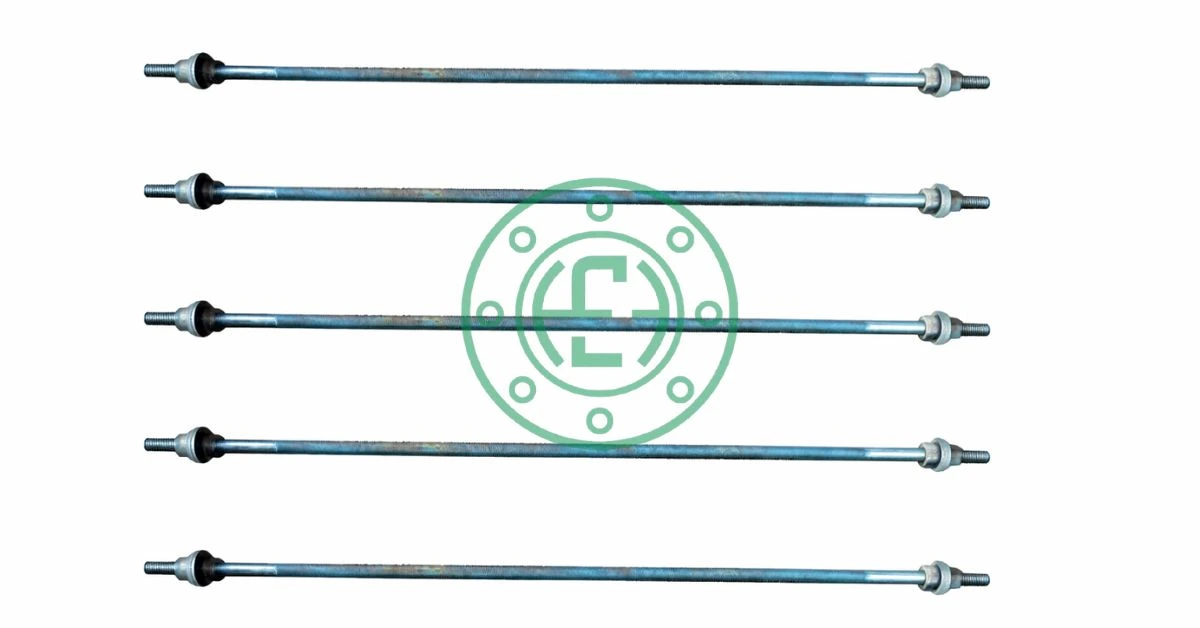
When building steel structures stability and load management are crucial. Even a seemingly insignificant component such as the the sag rod will significantly influence the strength and security of a structure. Many novices, as well as some experts overlook the significance of it. This is why you need Z Sag Rod designed solution that makes sure roof purlins, as well as the rest of the structural components are in good shape in the face of varying load.
In this article will explain the basics of what is a Z Sag Rod is, its applications, functions and the process of installation that will allow you to confidently utilize this vital component in the next steel structure construction project.
What Is a Z Sag Rod?
Definition & Structure
Z-Sag Rod is the structural support component employed in steel frameworks especially in roofing systems to stop purlins from sliding. In contrast to straight rods, it is a unique Z-shaped shape. This allows it to efficiently manage tension and compression and evenly throughout the entire framework.
The Z form is specifically designed for maximum strength, while also reducing the use of materials, which makes it a cost-effective and productive solution to ensure stability in the structure.
Material Used in Sag Rods
A majority of Sag rods are made from top-quality mild steel, or galvanized steel. Galvanization is a corrosion-resistant material and ensures long-lasting performance when exposed to harsh environments and outdoors applications. The selection of the material is based on the requirements for load, environment conditions and kind of structure on which it will be used.
Why It Has a Z Shape
The Z-shape’s design is not only visually appealing, it’s also functional. The geometry improves the rod’s capacity to resist bend under stress and maintain the proper position of the purlins. The angles of the Z profile can also help make the rod adjustable, which allows adjustments throughout the construction process without impacting the structural integrity.
Sag Rod Purpose & Functions
Load Distribution in Steel Structures
One of the most important purpose of Z Sag Rods is to spread the load over the purlins and various members. In the absence of proper support, purlins may experience stress that is uneven and eventually fail prematurely or the sagging of over the course of. Z Sag Rod absorbs and effectively redirects the forces.
Preventing Purlin Bending
Purlins are relatively slim components, are susceptible to bend under the weight of roofs. When properly positioned, Z Sag Rod provides tension and support to keep these components straight while maintaining the profile of the roof and structural stability.
Improving Structural Stability
Apart from preventing sagging, Z Sag Rods also contribute to the overall stabilization of the structure. by tying the purlins to each other by connecting them to the frame, they can reduce the the lateral movement and vibration caused by winds or other loads that are dynamic.
Applications of Z Sag Rod
Roofing Systems
Z Sag rods can be commonly utilized in both industrial and commercial roofing systems for supporting purlins. They help ensure the roofing sheets stay aligned to reduce maintenance costs and increase longevity of the roof.
Industrial Sheds & Warehouses
In industrial sheds, warehouses and other storage facilities Heavy loads and lengthy spans of purlin support are essential. Z Sag Rods prevent sagging and enhance the structural performance of these massive facilities.
Pre-Engineered Buildings (PEB)
Modern Pre-engineered Buildings (PEB) rely on Z Sag rods for affordable and long-lasting solutions. They can provide dependable support with no need for a large secondary framing. This optimizes both labor and materials.
Sag Rod Connection Details
How Sag Rods Are Connected
The connection to a sag rod generally involves connecting the rod with purlins as well as the frame with bolts, nuts or turnbuckles. A proper alignment and tensioning is crucial to ensure that the rod works exactly as it is intended to.
Turnbuckle & Bolt Connections
Turnbuckles are able to make small adjustments to tension important to compensate for minor deviations in the installation. Bolt connections provide the security of a permanent and secure fixation to the steel framework.
Spacing & Placement Guidelines
Spacing is based on the how much roof weight, purlin dimensions as well as the rod’s diameter. The general rule is Z Sag Rods should be installed at regular intervals in order to optimize the distribution of load while decreasing the use of materials. Make sure you follow the specifications of engineering to ensure you are not under or over-supporting your purlins.
Working & Installation Process
Step-by-Step Installation
- Determine how far between the purlins as well as frame members.
- Reduce off the Z Sag Rod to the needed length.
- Connect one end of the main frame by bolts or turnbuckles.
- Connect the second end to the purlin.
- Set tension by turning the turnbuckle, if needed.
- Verify alignment and make sure the rods are securely tightened.
Tools & Materials Required
- Z Sag Rods (galvanized steel recommended)
- Bolts and turnbuckles
- A spanner and Wrenches
- Measuring tape
- Ladders or scaffolding
Common Installation Mistakes
- Unsufficient tensioning that leads to loose rods or excessively tight rods
- Incorrect spacing causing uneven load distribution
- Utilizing low-quality materials that are prone to rust
- Failure to verify alignment which can cause sagging, despite the installation
Benefits of Z Sag Rod
Strength & Durability
Z Sag Rods give excellent support and are not susceptible to stretch under stress increasing the strength of the structure and extending its life.
Cost Efficiency
In reducing the requirement for reinforcement or framing Z Sag rods can cut down on material as well as labour costs.
Easy Installation
The design in Z shape allows simple installation using only simple tools. Adjustments are easily made by using turnbuckles.
Z Sag Rod vs Straight Sag Rod
Although straight sag rods tend to be easier to use, they lack freedom in the distribution of load and alignment adjustments. Z Sag Rods provide:
- Greater resistance to bend
- Tension adjustment via turnbuckles
- Material efficiency because of engineered geometry
In the case of structurally critical application, a Z-shaped design is often the most effective mix of strength, stability as well as cost-effectiveness.
Final Thought
The Z-Sag Rod could appear as tiny components, but it plays an essential role for the structural integrity for steel constructions. Knowing its function, application and the process of installation makes sure your structures are secure, long-lasting, and economical. If you’re working on PEB structures, industrial sheds and roofing systems investing in top-quality Z Sag rods is a option that will provide long-term advantages.