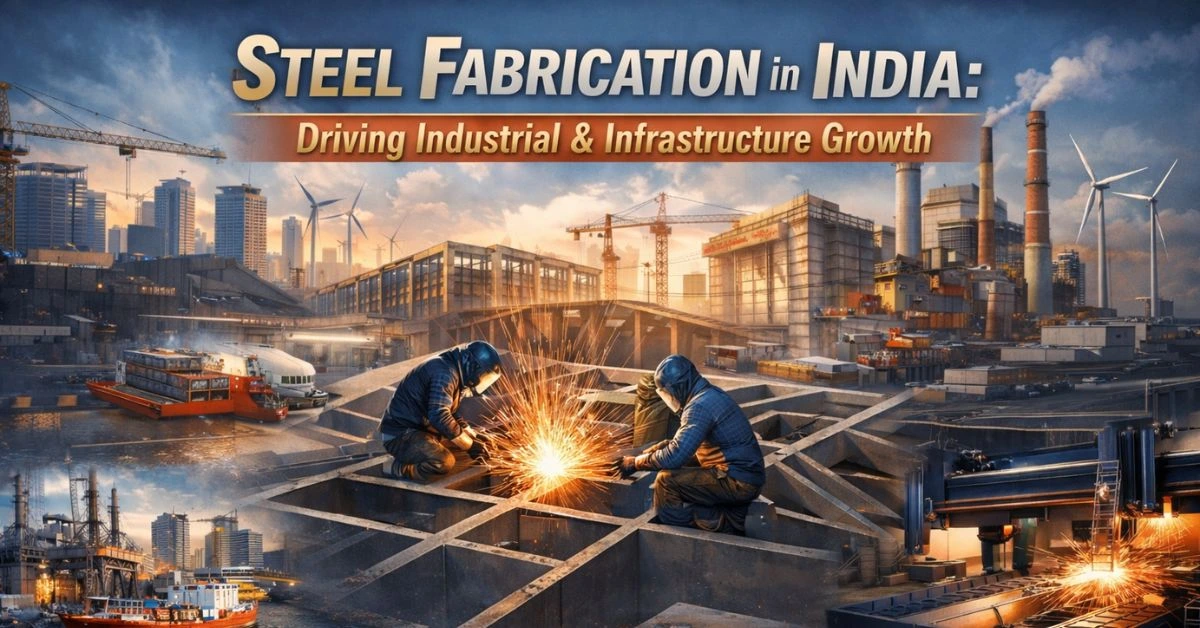

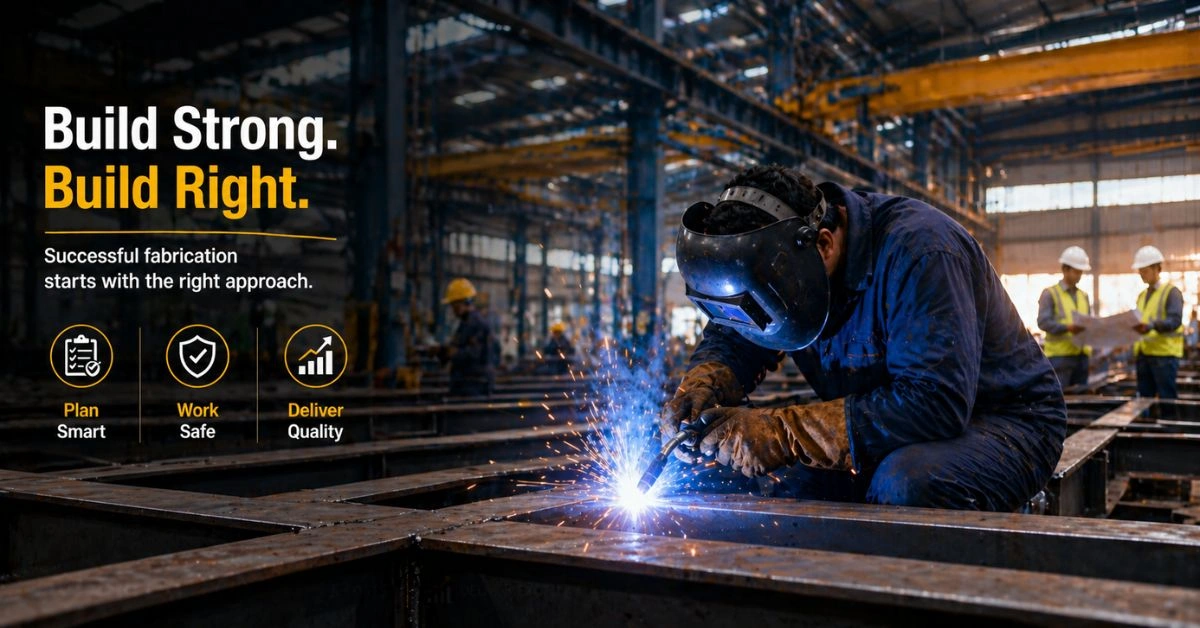
Fabrication is at the core of manufacturing, infrastructure, and industrial growth.. Yet, a surprisingly high percentage of these projects fail to meet expectations whether in terms of cost, quality, or timelines. This is especially true for fast-growing industries such as Steel Fabrication in India in which there is a growing demand, but the implementation challenges remain.
In fabrication, failure is rarely caused by a single major error. In reality, it’s due to a variety of tiny mistakes that become more difficult to fix with the course of time. It’s a good thing that most of the issues can be avoided with proper systems put in place.
Poor Planning and Undefined Scope
Lack of Clear Project Requirements
One of the main causes of why fabrication projects fail is a lack of clearly stated requirements at the beginning. If specifications are unclear or undefined, it causes confusion among teams, from designers to the shop floor employees.
If there isn’t a clear scope document, even professionals with years of experience in Steel Fabrication Services can struggle to provide consistent results. Incorrect interpretations can lead to delays, rework, delays, and material wastage. As time passes, these errors can increase project costs and weaken the structural integrity of the project.
The clarity at the beginning of planning serves as the base. Specific drawings, precise measures, and agreed-upon deliverables assure that everyone is on the same page before the execution process begins.
Ineffective Communication Across Teams
Gaps Between Design and Execution
Fabrication projects often involve multiple stakeholders designers, engineers, procurement teams, and fabricators. If communication between these teams is not maintained, the project’s execution suffers.
The most frequent problem is the gap between the design intention and actual application. The technical drawings might not be correctly interpreted or changes made at the last minute might not be effectively communicated. The result is inconsistent output, and even total project stoppages.
For complex areas such as Heavy Steel Fabrication, even small errors in communication could result in structural mistakes which are costly to correct. Making sure that communication is clear as well as periodic updates are vital for keeping everyone on the same page.
Low-Quality Materials and Equipment
Choosing Cost Over Quality
Cutting costs is usually seen as an easy method to increase margins however, in the case of production, it can go wrong significantly. The use of inferior materials or old machinery compromises durability as well as security.
Poor quality steel, like might not be able to withstand the stress in the long run, resulting in problems in crucial structures. In the same way, old machinery decreases accuracy, which increases the risk of a defect.
Reliable Steel Fabrication Services prioritize high-quality over the need for short-term financial savings. Making investments in certified material as well as modern technology ensures durability and minimizes possibility of costly repair or replacement.
Skilled Labor Shortage and Training Issues
Lack of Experienced Workforce
Fabrication is a labor-intensive procedure which requires skilled professionals that are knowledgeable of both machine and the behavior of materials. Many projects are hampered because of the lack of qualified workers.
In areas where the rate of industrialization is fast, such as India there is a need for skilled fabricators frequently exceeds the supply. The result is reliance on untrained employees, which increases the chance of mistakes and accidents that could be dangerous.
Regular training and upgrading initiatives are essential. A skilled workforce is not just efficient, but also improves overall quality of the fabrication process.
Weak Project Management Practices
No Proper Monitoring Systems
Although good planning is accompanied by competent workers, bad managing a project can result in an inability to complete the task. In the absence of proper monitoring the project becomes more impossible to keep track of developments, pinpoint bottlenecks or manage expenses.
There are times when projects exceed their deadlines due to there is no way for them to evaluate performance or tackle problems in a timely manner. Large-scale fabrication, specifically heavy steel fabrication delays could cause ripple effects to related operations.
A successful project management process involves creating clear goals, monitoring important performances indicators (KPIs) as well as keeping track of accountability throughout the project.
How to Avoid Fabrication Project Failures
Implement Strong Planning and Documentation
To avoid failures in manufacturing projects demands an approach that is proactive rather than quick fixes. The companies that are consistently successful rely on organized processes, highly skilled teams and continual improvements.
Here are some steps you can take to enhance the results of your project:
- The scope of the project should be defined with thorough documents as well as technical sketches
- Make use of high-end materials and the latest production equipment
- Set up clear communication channels throughout the entire team
- Insist on workforce training and skills development
- Utilize project management tools to ensure monitoring in real time.
- Perform periodic quality checks at each phase
This creates a solid structure that limits risks and facilitates a more efficient execution.
Turning Failure into Success
Failures in fabrication projects aren’t necessarily inevitable, they are typically caused by mistakes that could be avoided. From poor planning, to ineffective communication and insufficient labour, the reasons are easily identified.
In the midst of expanding industries and expand, particularly in the field of Steel Fabrication in India, our focus should shift to effectiveness, quality and accountability. Businesses that implement a structured plan and invest in new technology and prioritize skilled workers can not just prevent failures, but also get an edge in the market.
In the end, success in manufacturing relies on discipline in the execution. Each step in the procedure is executed by a skilled and savvy team the projects are better able to be finished in time, on budget and up to most exacting standard.