
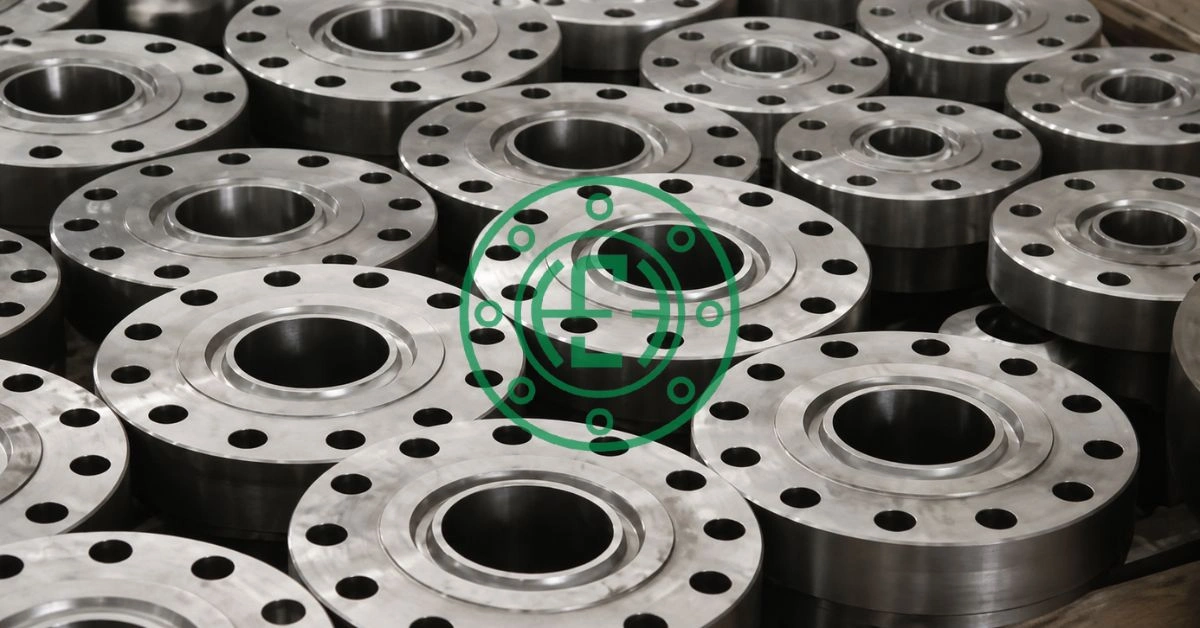
Industrial flanges constitute one of the crucial elements in the piping system used in sectors like petroleum and gas as well as power generation as well as shipbuilding and water treatment. They function as connectors for mechanical devices to join valves, pipes as well as pumps and devices, making sure that they are a safe and leak-proof structure. If they were not properly constructed and designed Flanges that are properly designed and manufactured, it will be impossible to ensure structure stability and pressure integrity within industrial piping networks.
It is crucial to select top-quality industrial flanges extends beyond connection. The components they are subject to high pressures extreme temperatures, highly corrosion-prone fluids and mechanical strain. Even a small flaw in an flange may cause leakage or system malfunction as well as environmental dangers, and perhaps even fatal accidents in crucial sectors. So, knowing how to recognize quality flanges prior to purchasing is vital for procurement professionals, engineers as well as industrial buyers.
Types of Industrial Flanges Used in Engineering Applications
Industrial flanges come in various types, each specifically designed for specific needs in operation. Selecting the right one is vital to guarantee security, efficiency, and long-lasting performance in a pipe system.
A basic classification Based on the design and use
The knowledge of these differences helps users choose the appropriate flange design for their requirements which will ensure efficiency in operation and lessening the chance of malfunction.
Material Selection and Manufacturing Standards
The performance and quality of a industrial flange is strongly influenced by the materials that is used to manufacture it. The most common materials are carbon steel and stainless steel as well as alloy steel and, sometimes, special products designed to withstand highly acidic conditions.
Material grade plays a role in the role of ISO/ASTM conformity
Material quality defines the durability, strength and resistance to corrosion that the flange has. For instance stainless steel flanges are popular in marine and chemical industries because of their superior resistance to corrosion and rust. Carbon steel flanges can be employed in all industrial processes due to their durability as well as their cost-effectiveness. In contrast, alloy steel flanges are utilized for high-pressure and high-temperature systems.
The manufacturing standards like ISO, ASTM, and ASME are essential in the assurance of product quality. These standards establish their chemical properties, the mechanical characteristics precision of dimensions, as well as testing specifications. A flange that is manufactured to these standards ensures high-quality and durability for demanding industrial settings.
Dimensional Accuracy and Surface Finish Quality
The precision of manufacturing is one of the primary measures of the flange’s quality. A slight deviation in size can result in an improper fit, leakage or an uneven distribution of stress throughout the pipe system.
Precision machining is crucial to the performance
Precision in dimension makes sure that flanges will be aligned correctly during installation, which decreases likelihood of leakage as well as mechanical failure. Modern manufacturing methods like CNC machineries are extensively used to ensure high accuracy and uniformity in the production of flanges. The latest techniques guarantee that each flange is produced to the strict tolerance standards required by industrial uses.
Quality of finish on the surface is crucial because it has a direct impact on sealing performance. Smooth and even surface will ensure proper seating of the gasket that reduces the chance that leakage occurs under pressure. A rough or uneven surface edges could compromise the sealing quality regardless of whether the flange itself is well-made. Flanges of high-quality undergo constant processing and finishing to guarantee optimal performance in actual applications.
Pressure Rating and Testing Methods for Quality Assurance
Each industrial flange is made to work within a particular area of pressure known as its pressure rating. The selection of a flange that has an appropriate pressure rating is crucial to protecting the safety of your system and also preventing malfunction.
Industrial flanges can be classified into several pressure classes, such as 150, 300 600, 900 or higher, according to the requirements of the specific application. Incorrect pressure ratings can result in leakage, deformation or even catastrophic failure in operating conditions.
Quality assurance plays an important part in the security of the flanges. The manufacturers employ various methods of testing to test the durability, strength and a flawless production.
Common methods of inspection employed in the industry
The most widely-used testing techniques include ultrasonic testing, hydrostatic tests, radiographic inspection as well as dye penetrant tests. Hydrostatic testing tests the capacity of the flange to stand up to the internal pressure, with no leakage. Ultrasonic testing can be employed to find internal flaws that aren’t apparent at the surface. The radiographic examination helps to find structural irregularities, and tests using dye penetrates reveal surface imperfections or cracks.
This inspection method ensures that only top-quality, fault-free Flanges are certified for use in industrial environments to significantly reduce the chance of a failure during operation.
Final Checklist Before Choosing an Industrial Flange Supplier
The selection of the best supplier is as crucial as choosing the correct fitting. A reliable provider will guarantee the same quality of product, compliance to specifications, and speedy delivery. All of these are essential for the operation of industrial equipment.
Before making a purchasing decision Buyers should take a careful look at the following factors:
- Check certifications like ISO, ASTM, and ASME conformity to ensure that the quality standards are being met
- Examine the material test certificates (MTC) for clarity in the composition of the material and for grade.
- Evaluate the manufacturer’s infrastructure and capabilities for machining
- Check out past projects as well as industry’s reputation for trustworthiness
- Make sure that you have the proper facilities for testing and inspection
- Review customer support, after-sales services to ensure long-term collaboration
The consideration of these elements can help buyers stay away from low-quality goods as well as suppliers who are not reliable, which ensures the long-term safety and performance of industries.